
The science of stress-induced cellular resilience reveals a surprising truth: not all stress is bad. In fact, certain forms of controlled stress can make our cells stronger, more adaptable, and more efficient. This concept, known as hormesis, lies at the heart of many cutting-edge strategies for longevity and performance. At Pinnacle, we utilize precision-guided hormetic protocols to help clients harness the benefits of stress without the burnout that uncontrolled stress can cause.
Stress-induced cellular resilience explains why practices like sauna sessions, cold plunges, and structured fasting are becoming staples of advanced wellness. When the body experiences mild, intentional stress, it triggers powerful repair and adaptation processes that enhance its ability to handle future challenges. This means your body becomes tougher, your energy more stable, and your performance more sustainable.
In this article, we’ll explore what hormesis is, how it works, and why it’s a key driver of longevity. You’ll learn how different types of controlled stress—like heat, cold, exercise, and even light exposure—stimulate cellular repair and resilience. We’ll also demonstrate how Pinnacle’s personalized approach enables clients to manage these stressors safely and effectively, promoting optimal health and performance.
Let’s explore how small, strategic doses of stress can transform the way your body ages and performs.
What Is the Hormetic Principle and How Does It Build Resilience?
The hormetic principle describes how low levels of stress can trigger beneficial adaptations in the body. Instead of breaking down under pressure, your cells respond by building stronger systems that go beyond the immediate challenge. This process is what creates stress-induced cellular resilience.
At its core, hormesis is a biological balancing act. Too little stress and the body becomes complacent, losing its edge. Too much stress and damage occur. However, at the right level, stress prompts your cells to enhance their repair mechanisms, boost energy production, and refine immune and metabolic functions.
Dr. Kat Hudon, Pinnacle’s Medical Director, explains it best: “Hormesis is a biological investment strategy. A small, controlled stress exposure today yields greater resilience tomorrow.” Our modern lifestyles often lack the natural stressors that once existed. Historically, humans have faced frequent temperature changes, food scarcity, and physical exertion—all of which have kept our systems adaptable. Now, many of our chronic health challenges come from too much comfort and not enough beneficial stress.
By reintroducing structured, mild stressors into our lives through precision-guided hormetic practices, we can restore the body’s natural ability to adapt and thrive.
How Do Heat and Cold Exposure Strengthen Cellular Function?
Temperature is one of the most effective ways to trigger stress-induced cellular resilience. Both heat and cold exposure stimulate repair pathways, balance the nervous system, and build metabolic flexibility.
Heat exposure, such as in sauna therapy, activates heat shock proteins that help repair and refold damaged proteins. It also stimulates mitochondrial growth, enhancing cellular energy production and supporting tissue repair. Sauna sessions can improve cardiovascular health by dilating blood vessels, enhancing immune function, and reducing chronic inflammation.
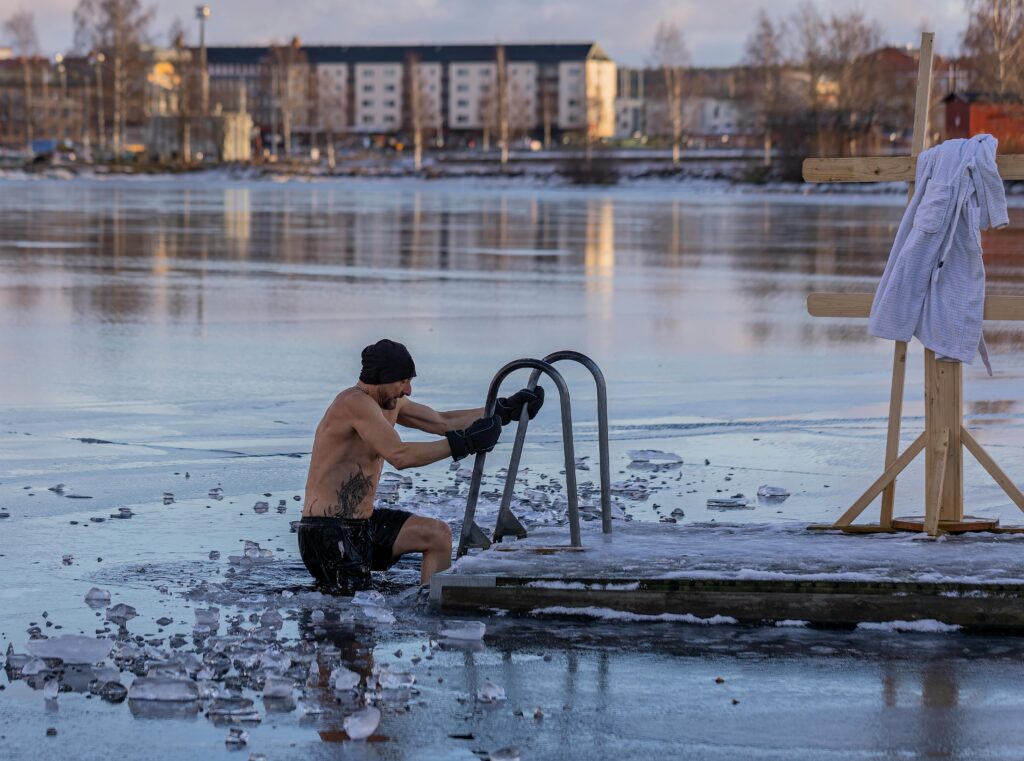
Cold exposure works differently but produces complementary effects. When exposed to cold, your body activates brown fat, a type of tissue that burns energy to generate heat. This improves metabolic efficiency and supports weight regulation. Cold stress also boosts norepinephrine, a neurotransmitter that enhances mood, focus, and alertness. Over time, these responses strengthen the immune system, reduce inflammation, and improve the body’s ability to cope with physical and emotional stress.
Dr. Travis Hudon, Pinnacle’s Director of Men’s Health, explains that temperature-based hormesis has broad effects because it impacts nearly every system in the body. It’s not just about feeling invigorated after a cold plunge—it’s about teaching your cells to adapt, recover, and perform better in all conditions.
What Other Types of Hormetic Stress Build Resilience?
While heat and cold are among the most powerful hormetic stressors, several other modalities can trigger similar adaptive benefits. Exercise, fasting, oxygen variation, and light exposure all play vital roles in building stress-induced cellular resilience.
Exercise creates mechanical, metabolic, and oxidative stress—all of which stimulate the body to grow stronger. Through this controlled challenge, tissues repair and remodel, energy production improves, and immune function becomes more balanced.
Nutritional hormesis comes from food-based or fasting-related stress. Intermittent fasting activates autophagy, the body’s natural process for cleaning out damaged cells and replacing them with new ones. Certain plant compounds, such as polyphenols and phytochemicals, also act as mild stressors that activate protective cellular pathways, thereby improving mitochondrial function and reducing inflammation.
Oxygen-based hormesis, such as intermittent hypoxia training or breathwork, teaches the body to use oxygen more efficiently and strengthens respiratory and cardiovascular function. Light-based hormesis, such as red or near-infrared light therapy, supports cellular repair by activating mitochondrial enzymes that improve energy metabolism.
Each of these modalities offers unique yet interconnected benefits. When combined strategically, they form a robust foundation for longevity and health.
Why Is Hormesis Linked to Longevity and Healthspan?
The link between hormesis and longevity is becoming increasingly evident in scientific research. Stress-induced cellular resilience enhances the body’s ability to maintain balance and repair itself over time. This prevents the slow buildup of damage that leads to aging and chronic disease.
Hormetic stressors activate autophagy, helping cells clear out old or malfunctioning components. They also stimulate the removal of senescent cells—those “zombie” cells that contribute to inflammation and tissue decline. On a deeper level, hormetic exposure enhances DNA repair mechanisms. It improves protein quality control, thereby maintaining cell health and functionality.
Mitochondrial health also plays a central role. These tiny energy factories within cells respond directly to hormetic signals by becoming more efficient and producing fewer harmful byproducts. As a result, your body gains the ability to make more energy with less waste—a hallmark of longevity.
At Pinnacle, we’ve seen clients experience noticeable improvements in energy, recovery, and mood after incorporating strategic hormetic practices. Over time, these changes translate to better vitality, sharper cognition, and a longer, more active life.
How Does Pinnacle Personalize Hormetic Optimization?
Pinnacle’s approach to stress-induced cellular resilience is built on precision and personalization. Every client begins with a comprehensive Adaptation Assessment that measures stress response patterns, recovery capacity, thermal tolerance, and biomarkers of cellular adaptation.
From there, we design a customized hormetic protocol that sequences stress exposures in the correct order, frequency, and intensity. This might include a combination of sauna therapy, cold immersion, breathwork, nutritional cycling, or light-based treatment. Each plan is structured to maximize adaptation while ensuring proper recovery between sessions.
Our team provides detailed guidance on how to use hormetic tools safely, both at home and while traveling. We monitor biomarkers, including inflammation, oxidative stress, and mitochondrial function, to track progress. As your body adapts, the protocol evolves, gradually increasing challenge levels to continue stimulating new growth.
This individualized approach ensures that hormetic stress remains beneficial, not overwhelming. It transforms random exposure into a targeted longevity strategy.
What Results Do Clients See from Hormetic Training?
Clients who adopt Pinnacle’s hormetic protocols often report significant improvements in energy, focus, and recovery. For example, James, a 52-year-old executive, saw his inflammation markers normalize and his heart rate variability rise by over 40% after adding sauna and cold therapy to his weekly routine.
Patricia, a 58-year-old physician, noticed sharper mental clarity and faster recovery from demanding days after integrating infrared sauna sessions and breathwork into her evenings. Her heat shock protein levels rose, and her cognitive recovery after stress improved by nearly 40%.
Robert, a 61-year-old entrepreneur, used hormetic training to counteract age-related mitochondrial decline. Within four months, his mitochondrial health markers improved, his body composition shifted favorably, and his exercise recovery matched that of men 15 years younger.
These examples highlight how small, intentional doses of stress—when applied strategically—can lead to measurable and lasting improvements in vitality and performance.
How Can You Apply Hormesis in Your Own Life?
Hormesis doesn’t require drastic changes to be effective. With proper guidance, short sauna sessions, brief cold plunges, or intermittent fasting can all yield meaningful results. The key is precision—understanding how much stress your body can handle and how to balance it with recovery.
At Pinnacle, we help clients integrate hormetic practices into their existing routines in a way that is both time-efficient and sustainable. Our experts design protocols tailored to your lifestyle, travel schedule, and goals, ensuring safety and measurable progress. Over time, you’ll learn to see controlled discomfort not as something to avoid, but as a path to lasting resilience.
The benefits go beyond physical adaptation. Many clients report feeling more confident, focused, and emotionally stable. The process of embracing and mastering discomfort builds not only stronger cells but also a stronger mind.
Ready to Strengthen Your Body Through Stress-Induced Cellular Resilience?
Suppose you’re ready to transform how your body handles stress and the effects of aging. In that case, Pinnacle’s comprehensive Stress Adaptation Assessment is your first step. This in-depth evaluation identifies your unique stress-response profile and lays the foundation for a personalized hormetic optimization plan.
Don’t let comfort rob you of your body’s natural ability to adapt and thrive. Harness the science of stress-induced cellular resilience to enhance your energy, longevity, and performance.
Don’t settle for comfort-based approaches that fail to trigger your body’s innate capacity for adaptation. Schedule your Stress Adaptation Assessment today and discover how strategic hormetic exposure can enhance your resilience, performance, and healthspan.